Ten Mahavidyas Including Maa Baglamukhi
Kali:
Aspect: Time, Change, Destruction Symbolism: Often depicted as a fierce, dark-skinned goddess with a protruding tongue, Kali represents the destructive aspect of creation. She is associated with death, time, and the cycle of rebirth. Powers: Kali is believed to have the power to destroy evil forces and grant liberation from the cycle of suffering. Description: Kali is often depicted with a fierce appearance, dark skin, and a necklace of skulls. She represents the transformative power of time and the destruction of evil forces. Kali is worshiped for her ability to remove obstacles and fears, helping devotees embrace change and transformation.
Tara:
Aspect: Compassion, Protection Symbolism: Known as the "Star Goddess," Tara is often depicted with a serene expression and holding a lotus flower. She is associated with compassion, protection, and spiritual enlightenment. Powers: Tara is believed to have the power to grant blessings, protect devotees from harm, and guide them on the path to spiritual liberation. Description: Tara is often shown as a beautiful goddess, sometimes with a blue complexion. She embodies compassion and is invoked for protection and guidance. Tara is particularly revered in times of distress and is believed to help her devotees navigate through challenges.
Tripura Sundari:
Aspect: Beauty, Supreme Reality Symbolism: Often depicted as a beautiful young woman adorned with jewels and surrounded by celestial beings, Tripura Sundari represents the alluring and enchanting aspect of the Divine Feminine. Powers: Tripura Sundari is believed to have the power to grant love, beauty, and fulfillment in life. Description: Tripura Sundari is depicted as an enchanting goddess, symbolizing beauty and the ultimate reality. She is often associated with the concept of Shakti (divine energy) and is worshiped for spiritual enlightenment and the attainment of desires.
Bhuvaneshwari:
Aspect: The Physical Universe, Creativity Symbolism: Often depicted as a regal goddess seated on a lion, Bhuvaneshwari represents the cosmic energy that sustains the universe. Powers: Bhuvaneshwari is believed to have the power to grant prosperity, abundance, and dominion over the world. Description: Bhuvaneshwari is depicted as a nurturing mother figure, representing the creative aspect of the universe. She embodies the earth and is worshiped for abundance, fertility, and the manifestation of desires.
Chhinnamasta:
Aspect: Self-Sacrifice, Transformation Symbolism: Often depicted as a headless goddess holding her own severed head in her hand, Chinnamasta represents the power of self-sacrifice and transformation. Powers: Chinnamasta is believed to have the power to grant spiritual awakening, liberation from worldly desires, and mastery over the mind. Description: Chhinnamasta is depicted as a fierce goddess who has severed her own head, symbolizing self-sacrifice and the transcendence of ego. She represents the transformative power of sacrifice and is worshiped for overcoming obstacles and achieving spiritual growth.
Dhumavati:
Aspect: Darkness, Void, Wisdom Symbolism: Often depicted as an aged, disheveled woman surrounded by crows and smoke, Dhumavati represents the challenging and transformative aspects of life. Powers: Dhumavati is believed to have the power to grant wisdom, perseverance, and the ability to overcome obstacles. Description: Dhumavati is depicted as an old, dark goddess, representing the void and the wisdom that comes from loss and suffering. She embodies the aspect of darkness and is worshiped for understanding the deeper truths of life, often associated with overcoming despair.
Baglamukhi:
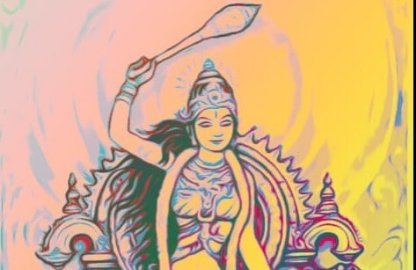
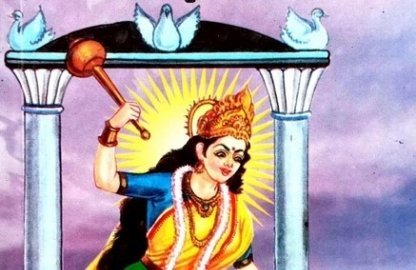
Aspect: Knowledge, Power, Control over Speech Symbolism: Often depicted as a beautiful goddess wearing yellow attire and holding a mace and a noose, Bagalamukhi represents the power of speech, eloquence, and control. Powers: Bagalamukhi is believed to have the power to grant victory over enemies, success in debates, and eloquence in speech. Description: Baglamukhi is depicted as a beautiful woman with a golden complexion, holding a club and a noose. She symbolizes the power to control speech and communication, helping devotees overcome obstacles and gain wisdom. She is often invoked for success in endeavors and to subdue negativity.
Matangi:
Aspect: Knowledge, Arts, Speech Symbolism: Often depicted as a goddess riding a lion or a peacock, Matangi represents the power of learning, music, and the arts. Powers: Matangi is believed to have the power to grant knowledge, wisdom, and creative inspiration. Description: Matangi is often depicted as a dark-skinned goddess, representing the power of speech, music, and the arts. She embodies the knowledge that transcends traditional boundaries and is worshiped for creativity, eloquence, and the ability to express oneself. Matangi is also associated with the empowerment of marginalized voices and is invoked for success in artistic endeavors.
Shodashi (or Shodashi):
Aspect: Perfection, Ultimate Reality Symbolism: Often depicted as a goddess with a closed mouth and a lotus flower in her hand, Shodashi represents the power of silence, knowledge, and spiritual enlightenment. Powers: Shodashi is believed to have the power to grant spiritual wisdom, inner peace, and the ability to overcome worldly distractions. Description: Shodashi is often depicted as a youthful and beautiful goddess, embodying the ultimate reality and perfection. She is associated with the mystical aspects of the divine and is worshiped for spiritual enlightenment and the attainment of higher consciousness. Shodashi represents the union of the individual soul with the universal spirit. Each of these Mahavidyas holds a significant place in Hindu spirituality, representing various aspects of life, knowledge, and the divine feminine.
Kamalatmika:
Aspect: Wealth, Prosperity, Abundance Symbolism: Often depicted as a goddess adorned with jewels and holding a lotus flower, Kamala represents the power of wealth, prosperity, and abundance. Powers: Kamala is believed to have the power to grant financial success, material prosperity, and abundance in life. Description: Kamalatmika is depicted as a beautiful goddess seated on a lotus, symbolizing wealth and prosperity. She represents abundance and fertility, and is worshiped for material and spiritual prosperity. Devotees seek her blessings for success in business, financial stability, and overall well-being.